
The best discounts this week
Every week you can find the best discounts here.
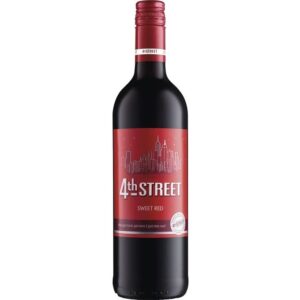
Carlo Rossi Sweet Red 75cl
Wines and Their Importance: Guide for Wine Lovers
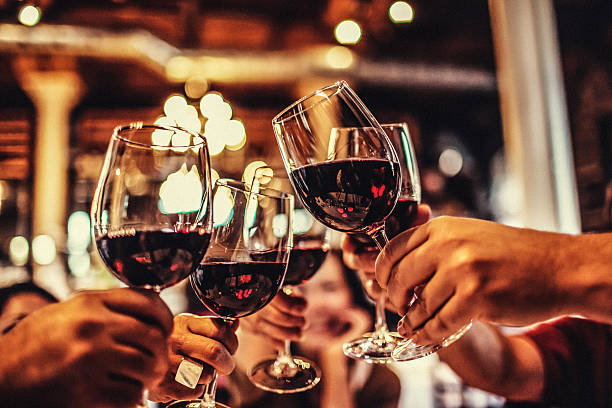
Wine is more than just a beverage—it is a product of history, culture, science, and craftsmanship. For thousands of years, wine has played an important role in social gatherings, religious traditions, and culinary experiences across the world. Understanding wine helps consumers appreciate its value, make informed choices, and enjoy it responsibly.
What Is Wine?
Wine is an alcoholic beverage made from fermented grapes. Yeast consumes the natural sugars in grapes and converts them into alcohol and carbon dioxide. The flavor, color, and aroma of wine depend on factors such as grape variety, climate, soil, fermentation process, and aging methods.
Types of Wine
1. Red Wine
Red wine is made from dark-colored grape varieties. The grape skins are left in contact with the juice during fermentation, giving red wine its color and tannins.
Examples: Cabernet Sauvignon, Merlot, Pinot Noir
Characteristics: Bold flavors, rich color, higher tannin content
2. White Wine
White wine is usually made from green or yellow grapes, and the skins are removed before fermentation.
Examples: Chardonnay, Sauvignon Blanc, Riesling
Characteristics: Light, crisp, refreshing flavors
3. Rosé Wine
Rosé wine is made from red grapes but with limited skin contact, giving it a pink color.
Characteristics: Fresh, fruity, and versatile
4. Sparkling Wine
Sparkling wine contains carbon dioxide bubbles, either naturally or through a second fermentation.
Examples: Champagne, Prosecco, Cava
Characteristics: Lively, celebratory, refreshing
5. Fortified Wine
Fortified wines have added spirits, increasing alcohol content.
Examples: Port, Sherry, Vermouth
Characteristics: Stronger, often sweet or complex
The Importance of Wine
1. Cultural and Historical Significance
Wine has been part of human civilization for over 6,000 years. It has deep roots in many cultures, symbolizing hospitality, celebration, and tradition. Wine continues to be an important element in festivals, ceremonies, and family gatherings worldwide.
2. Culinary Value
Wine enhances food experiences. Different wines complement different dishes, improving flavors and balance. For example:
- Red wine pairs well with red meats
- White wine complements seafood and poultry
- Sparkling wine pairs with appetizers and celebrations
Wine is also used in cooking to add depth and aroma to sauces and dishes.
3. Economic Importance
The wine industry supports millions of jobs globally—from vineyard workers and winemakers to distributors and retailers. Wine tourism also boosts local economies and promotes regional identity.
4. Health and Lifestyle Awareness
When consumed in moderation, wine—especially red wine—contains antioxidants such as resveratrol, which may support heart health. Responsible consumption is key to enjoying wine as part of a balanced lifestyle.
5. Social Connection
Wine brings people together. It encourages conversation, relaxation, and shared experiences. Whether at a celebration, dinner, or casual gathering, wine often plays a role in strengthening social bonds.
How to Choose the Right Wine
- Consider the occasion (celebration, dinner, gift)
- Match wine with food
- Know your taste preference (sweet, dry, light, bold)
- Check the alcohol content and origin
- Ask for expert recommendations
Responsible Wine Consumption
Wine should always be enjoyed responsibly. Legal drinking age laws must be followed, and excessive consumption should be avoided. Responsible drinking ensures wine remains a positive and enjoyable experience.
Wine is a blend of tradition, science, and enjoyment. Understanding wines and their importance helps consumers appreciate quality, culture, and craftsmanship while making informed choices. Whether you are a beginner or a wine enthusiast, learning about wine enhances both your knowledge and your experience.